
Staff Writer: James
Published Date: November 12, 2024
Number of pages: 300
Format (physical book/e-book/audiobook): e-book
Genre: Nonfiction
Tags: New Age, Science
Cardigan rating: 4 out of 5

Goodreads Summary
I don’t normally go down rabbit holes but I recently listened to a two-part episode of the Astonishing Legends podcast on Near Death Experiences (NDEs), I was intrigued when the comment was made that NDEs were the only type of psychical phenomena that is receiving actual scientific study. I consider myself largely a skeptic and find most stories of “high strangeness” entertaining, but I tend to believe rational explanations can explain the vast majority of paranormal occurrences.
So I was interested to see how science would approach something as diametrically opposed as tunnels of white light and talking with spirit guides. The author, a Doctor of Psychology, approaches it from that field of study but is not adverse to broaching concepts in everything from philosophy to quantum physics.
To save space and words, Dr. Taylor outlines the situations in which individuals can transcend their psychological self to which our concept of time is attached, which would satisfy most of the typical experiences that define the classic NDE.
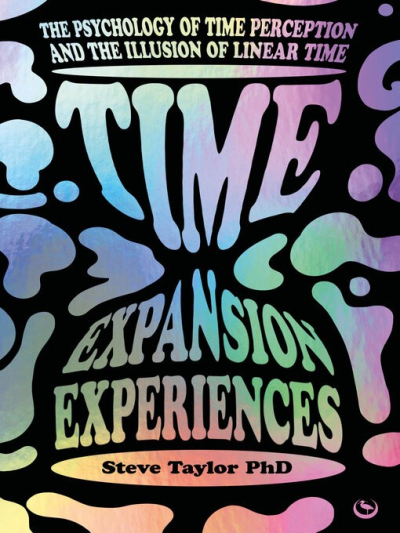
With that said, NDEs are only a small part of the actual book as the titular Time Expansion Experiences (TEEs) and Time Cessation Experiences (TCEs) are the basis for everything that comes after that is required to understand the later concepts.
Time Expansion Experiences is an entertaining read, albeit not a quick one, despite this book falling solidly into popular science writing rather than a true academic text. The only complaint that I have with it is that concepts are repeated several times, which I understand from a point of comprehension by repetition, but also seems a bit like filler if you grasped the idea the first time around.
Am I going to delve deeper into more academic works on NDEs? It’s unlikely. This satisfied my desire for more information and was interesting but I question how much actual scientific data you can gleam from anecdotal experiences unless you prescribe to NDEs as electrical or chemical changes in the brain, and this book does not prescribe to that explanation.